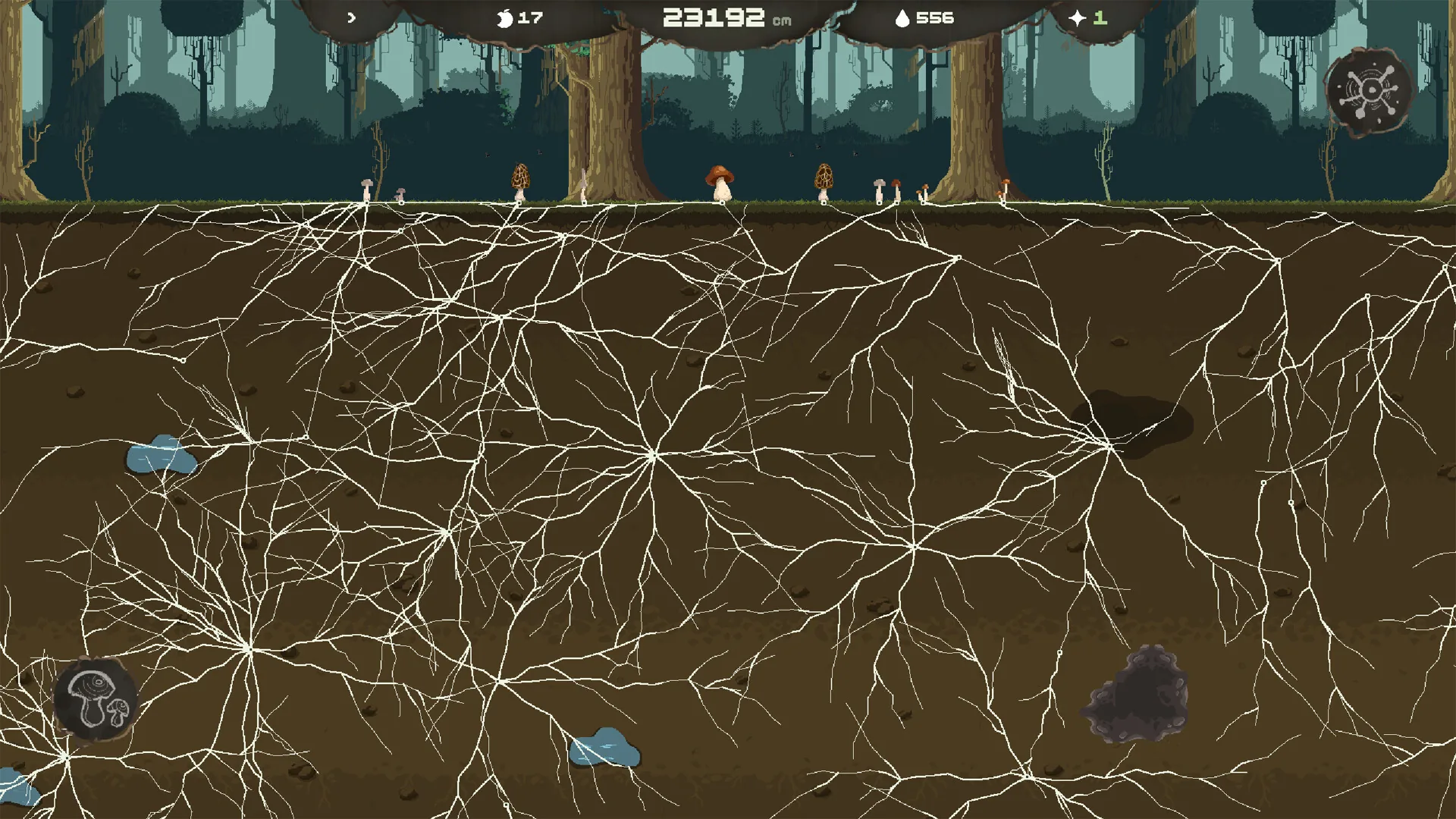
Mycelarium Stone Obstacles: A Practical Guide to Clearing and Bypassing Them
If you have hit a wall of stone in a mycelium-themed environment, you are not alone.
If you have hit a wall of stone in a mycelium-themed environment, you are not alone. Stone obstacles in these organic, fungi-heavy spaces often behave differently than the terrain around them, and the tools that work on soft caps or mossy growth may do nothing against a rocky barrier. This guide walks you through how to assess what you are facing, the general approaches that tend to work, and how to verify the exact mechanics for the version you are playing.
Understanding Stone Obstacles in a Mycelarium
Mycelarium environments are usually built around dense fungal networks, damp surfaces, and biological growth. Stone obstacles stand out because they are inorganic and often serve as deliberate barriers rather than natural scenery. In many designs, they block shortcuts, guard resource nodes, or act as physical puzzles that require a specific tool, environmental trigger, or route change.
You will typically encounter a few common forms:
- Loose rubble or scattered stones that can be cleared with basic digging or striking tools.
- Solid stone walls or slabs that act as hard barriers and usually require a stronger tool or a scripted interaction.
- Structural formations such as pillars, arches, or partial caves that may be climbable or destructible.
- Camouflaged stones blended into mycelium growth, which can be hard to spot until you walk into them.
Knowing which type you are dealing with saves time and resources.
Before You Start: What to Check
Before you spend materials or stamina on a stone obstacle, take thirty seconds to assess the situation.
Check your inventory. Look for pickaxes, drills, explosives, or any tool described as effective against rock or stone. If your current equipment is geared toward cutting plants or harvesting fungi, it probably will not work on mineral barriers.
Look for environmental clues. Cracks, loose pebbles, water dripping from above, or unusual discoloration on the stone often signal that the obstacle is interactive. In some setups, stone becomes brittle only when exposed to moisture, vibration, or a specific spore type.
Scan for alternate routes. Mycelium growth is flexible. A path that looks blocked by stone may be passable above, below, or around if you can climb fungal stalks, squeeze through gaps, or descend into a lower channel.
Check your objectives. If the stone sits directly on a marked path, it is almost certainly meant to be removed or bypassed. If it is off to the side, it may be optional scenery or a hidden cache.
General Methods for Dealing with Stone Obstacles
Because specific mechanics vary by title and version, the following approaches are framed as general strategies rather than confirmed mechanics for any single game.
Tool-Based Removal
The most direct method is using a tool rated for stone. If you have not yet acquired one, the obstacle is likely a progression gate. Look for the strongest striking or digging implement in your inventory and test it on the stone. If the tool bounces off or deals no visible damage, you probably need an upgrade.
In some environments, basic tools chip away at loose rubble but do nothing to solid formations. Reserve your best equipment for the barriers that clearly require it.
Environmental Interaction
Stone in damp, fungal spaces is sometimes tied to the ecosystem around it. Watch for:
- Water sources that may soften or erode certain stones over time.
- Vibration or impact triggers, such as dropping a heavy object or using an area-effect ability nearby.
- Biological agents, like acidic spores or specialized fungi, that may degrade rock when applied.
These interactions are not universal, but they are common enough in organic-themed level design that they are worth testing before you assume the stone is indestructible.
Alternative Routes
If removal seems impossible, treat the stone as a navigation puzzle. Mycelium environments often reward vertical movement. Look for climbable fungal trunks, ledges you can jump to, or tunnels beneath the obstacle. Sometimes the intended solution is not to break the stone but to grow, climb, or dig your way around it.
Step-by-Step Troubleshooting
Use this sequence when you are stuck:
- Survey the obstacle. Note its size, shape, and whether it is loose or solid. Take a slow walk around it.
- Match your tool to the material. Try your strongest stone-capable tool. If it does nothing, stop before you waste durability or resources.
- Test environmental interactions. Look for water, pressure plates, explosive barrels, or interactive plants nearby. Trigger them and see if the stone reacts.
- Reassess your path. If the stone will not move, look up, down, and sideways for a way around. Check whether mycelium growth can be used as a ladder or bridge.
- Gather what you need. If you have confirmed that you lack the right tool or ability, mark the location and return after upgrading. Do not grind endlessly against an obstacle that is clearly beyond your current tier.
Efficiency and Safety Tips
- Do not over-invest in the wrong tool. If a basic pick does negligible damage, using it repeatedly will not suddenly work. You likely need a higher-tier item.
- Watch for instability. In cave-like mycelarium spaces, breaking stone can trigger collapses or reveal hazards. Clear the area of hostiles before you start swinging.
- Preserve useful mycelium. If the stone is tangled with rare fungal growth, consider whether destroying it will also destroy a resource you need. Sometimes bypassing is better than breaking.
- Listen for audio cues. Many games use distinct sounds when you strike a destructible object versus an indestructible one. A dull thud usually means you need a different approach.
How to Verify Mechanics for Your Specific Version
Because mycelarium-themed content is updated frequently and varies between releases, the safest way to confirm exact mechanics is to check sources tied to your version:
- Official patch notes or update logs for the title you are playing. Developers often list changes to terrain destruction or obstacle behavior.
- Community wikis or forums dedicated to that game. Look for pages covering the specific area or dungeon you are in.
- In-game tooltips or codex entries. Some titles include lore or hint text that explains why certain stones resist damage.
- Controlled testing. If you are unsure whether a tool works, test it on a similar stone in a low-stakes area before committing rare resources.
If you cannot find confirmation, treat the obstacle as a progression gate until you have stronger tools or abilities.
Frequently Asked Questions
Can stone obstacles respawn?
In many games, loose rubble may respawn after a set period or when you re-enter the area, while solid barriers usually stay destroyed. This is not guaranteed across all versions, so observe the area after clearing it if resources are scarce.
Do stone obstacles hide secrets?
Sometimes. Stones placed off the main path are occasionally used to conceal loot, tunnels, or story items. If an obstacle seems oddly placed, it may be worth removing once you have the means.
What if nothing works?
If you have tried appropriate tools, environmental triggers, and alternate routes with no result, the obstacle may be tied to a quest flag or story progression. Advance the main narrative and return later.
Final Thoughts
Stone obstacles in a mycelarium are designed to slow you down and make you engage with the environment, not just the enemies. By identifying the type of stone, matching it to the right tool or trigger, and staying alert to alternate routes, you can move forward without wasting resources. When in doubt, verify the current mechanics through official or community sources for your version, and treat unconfirmed details as unknown until tested.