Mycelarium Reviews: How to Find and Evaluate Community Feedback
If you have been searching for "Mycelarium reviews," you are probably trying to answer a simple question: is this community, game, or project worth your time?
If you have been searching for "Mycelarium reviews," you are probably trying to answer a simple question: is this community, game, or project worth your time? Because the name can apply to different kinds of spaces—from Discord servers and game communities to creative collectives or real-world exhibits—the best reviews are the ones that match the specific Mycelarium you are considering. This guide will help you locate trustworthy feedback, read it critically, and verify current details before you commit.
What "Mycelarium" Typically Refers To
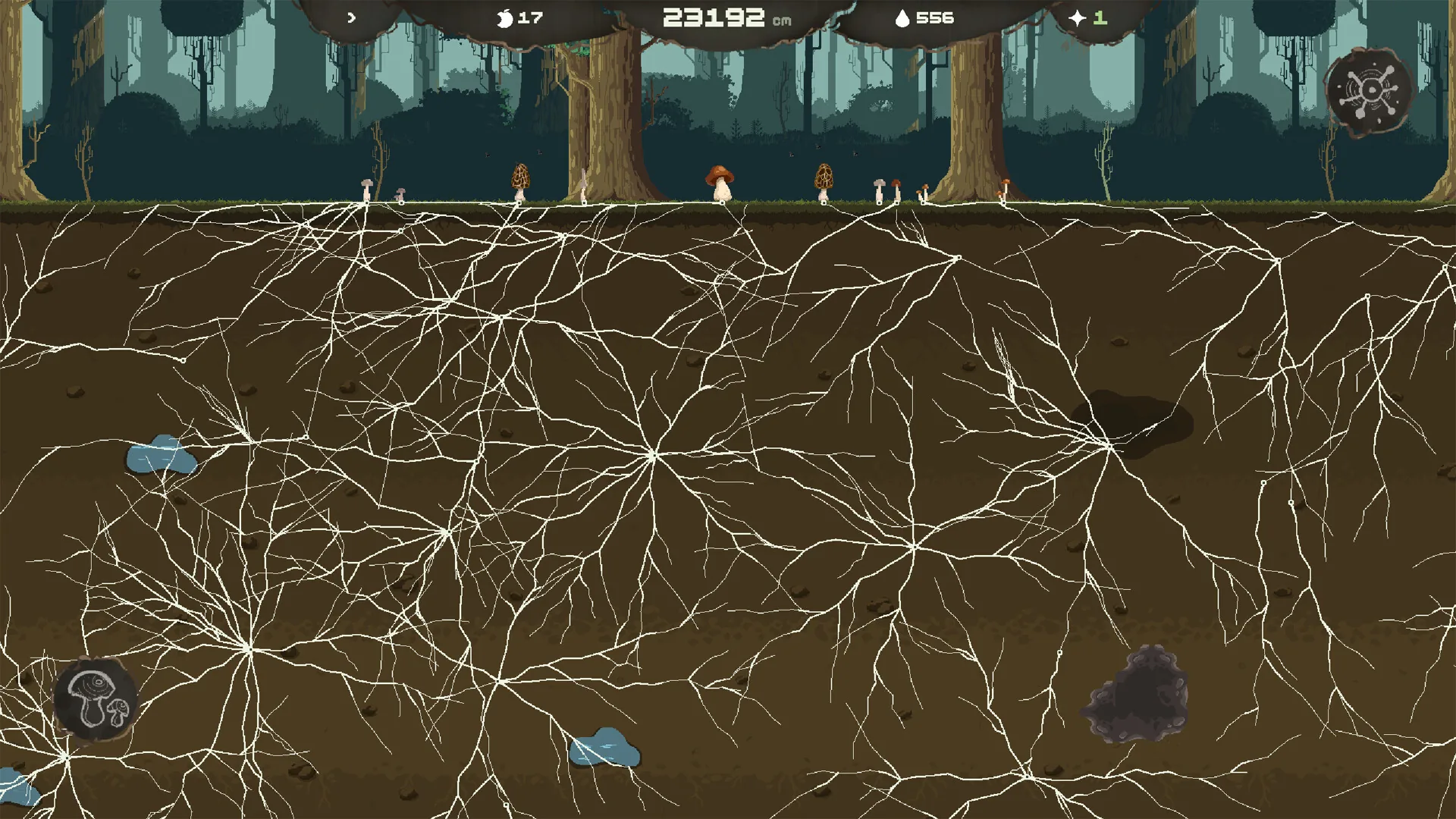
Before diving into reviews, it helps to narrow down which Mycelarium you are researching. The name evokes mycelium—the underground network of fungi—so it is often used for projects that emphasize connection, growth, or organic community building. Depending on where you encountered the term, it might describe:
- A game or interactive experience, possibly with survival, crafting, or ecosystem-simulation elements.
- A community space or server, such as a Discord hub, subreddit, or forum built around a shared interest.
- A creative or educational project, such as a collaborative world-building space, a mycology-focused learning group, or a fictional setting used for roleplay and storytelling.
- A physical or virtual exhibit, such as a museum installation or digital gallery exploring fungal networks.
If you found the name through a friend, a social media post, or a game store page, you likely already know which category applies. If not, the context of your search—such as the platform you were browsing—can tell you a lot.
Where to Look for Authentic Mycelarium Reviews
Reviews live in many places, and each source has its own strengths. Checking two or three of the following will give you a balanced picture.
Platform-Specific Review Sections
If Mycelarium is distributed through a store or marketplace, the built-in review area is usually the first stop. Look for reviews that mention specific updates or patches, since these tend to reflect the current version rather than an outdated launch build. Pay attention to whether reviewers mention how many hours they have spent or how long they have been members; a review from someone with hundreds of hours carries different weight than a first-impression post.
Community Forums and Social Channels
Dedicated forums, subreddits, and Discord servers often contain the most candid feedback. Long-form discussion threads let you see how members respond to criticism, how quickly problems get resolved, and whether newcomers feel welcomed. Many communities also have a feedback or suggestions channel where recurring complaints and praise are easy to spot.
Independent Creators and Blogs
YouTubers, Twitch streamers, and blog writers sometimes cover niche communities that mainstream review sites ignore. These sources can be valuable because creators often show rather than tell—you get to see the interface, the community interaction, or the gameplay in action. Keep in mind, though, that some coverage may be sponsored, so look for disclosure statements.
How to Read Reviews Like a Pro
Not all reviews are created equal. Use these checks to separate signal from noise.
Spotting Patterns vs. Outliers
One angry review might reflect a bad day, but ten reviews mentioning the same issue usually point to a real problem. As you read, jot down repeated themes. Common categories include onboarding difficulty, moderation fairness, technical bugs, content updates, and community tone. If the same strength appears again and again—such as a welcoming atmosphere or responsive staff—that is usually a reliable indicator.
Checking Dates and Version Context
Communities and games change over time. A review from two years ago might describe a completely different experience than what exists today. Always look for timestamps and version numbers. If most recent reviews are positive but older ones are negative, the project may have improved. The reverse can signal decline or neglect.
Distinguishing Bugs from Design Choices
Some criticism targets temporary bugs, while other criticism targets intentional design. For example, a slow progression curve might be a deliberate choice rather than a mistake. Reviews that explain why they dislike something tend to be more useful than those that simply state a preference. If you are unsure whether an issue is a bug, check the community's bug-report or support channel to see if staff have acknowledged it.
Key Factors Community Members Usually Weigh
While every Mycelarium is different, most community-focused projects are judged on a few consistent dimensions.
Onboarding and New Member Experience
Good communities make it easy to understand the rules, find your bearings, and meet people. Reviews often mention whether new members received helpful guidance or were left to figure things out alone. If you see repeated praise for a welcoming vibe or helpful veterans, that is a strong green flag.
Moderation and Safety
Look for feedback about how rules are enforced. Are moderators responsive? Is the space free from harassment and spam? Reviews that mention transparent moderation, clear consequences for bad behavior, or staff who mediate disputes fairly are worth noting. Conversely, complaints about unchecked toxicity or arbitrary bans are serious red flags.
Activity and Engagement Levels
A beautiful space with no active members will feel empty. Reviews and community posts can tell you whether conversations happen daily, whether events are scheduled, and whether long-time members still participate. If you are looking for an active hub, recent post timestamps are often more telling than total member counts.
Technical Stability
For digital spaces, lag, crashes, and lost progress are common frustrations. Check whether reviewers mention technical problems and, importantly, whether those problems were fixed. A community that communicates openly about outages and patches usually earns more trust than one that stays silent.
Red Flags and Green Flags
Use this quick checklist as you read:
Green flags
- Recent reviews mention active staff or developers.
- Members help each other without being prompted.
- Criticism is met with thoughtful responses rather than deletion.
- Clear rules and expectations are posted publicly.
- Updates or events happen on a predictable schedule.
Red flags
- Reviews disappear or critics are banned without explanation.
- The same technical issue is mentioned for months without a fix.
- New members report feeling ignored or harassed.
- Overwhelmingly promotional language with little specific detail.
- Pressure to spend money immediately.
How to Verify Current Details Yourself
Because online projects evolve quickly, the most reliable review is often your own brief observation. Before fully committing, try these steps:
- Lurk first. Join the space or install the game and simply watch for a few days. Read the general chat, browse recent posts, and note the tone.
- Ask specific questions. Post in a new-member channel asking about current activity levels, upcoming changes, or common issues. The quality of the answers will tell you a lot.
- Check official channels. Look for a changelog, roadmap, or announcement page. Regular updates usually indicate an active team.
- Test the free tier. If there is a cost, see whether a free version or trial lets you experience the core offering before paying.
- Search recent timestamps. Sort reviews or posts by newest rather than most helpful to see what people are saying right now.
Final Thoughts
Finding useful Mycelarium reviews is less about locating a single definitive score and more about gathering enough perspectives to make an informed decision. By checking multiple sources, focusing on recent feedback, and spending a little time observing the community yourself, you can judge whether it matches your interests and expectations. If the reviews you find are mixed, remember that a smaller, well-moderated space with honest communication often provides a better experience than a large one with polished marketing but little substance.
If you are still unsure where to start, tell me which platform or type of Mycelarium you are looking at, and I can help you refine your search.