Mycelarium Mushroom Types: A Practical Guide to Common Fungi in Mycelium Systems
If you have started researching indoor mushroom growing, you may have come across the term mycelarium.
If you have started researching indoor mushroom growing, you may have come across the term mycelarium. While it is not a formal scientific classification, the word is increasingly used to describe a controlled space—whether a small home setup or a larger commercial room—dedicated to cultivating mycelium and the mushrooms that fruit from it. Understanding which mushroom types thrive in these environments helps you choose species that match your space, substrate, and goals.
This guide covers the most common mushroom types grown in mycelarium-style setups, how to tell them apart, and what checks to run before harvest.
What Is a Mycelarium?
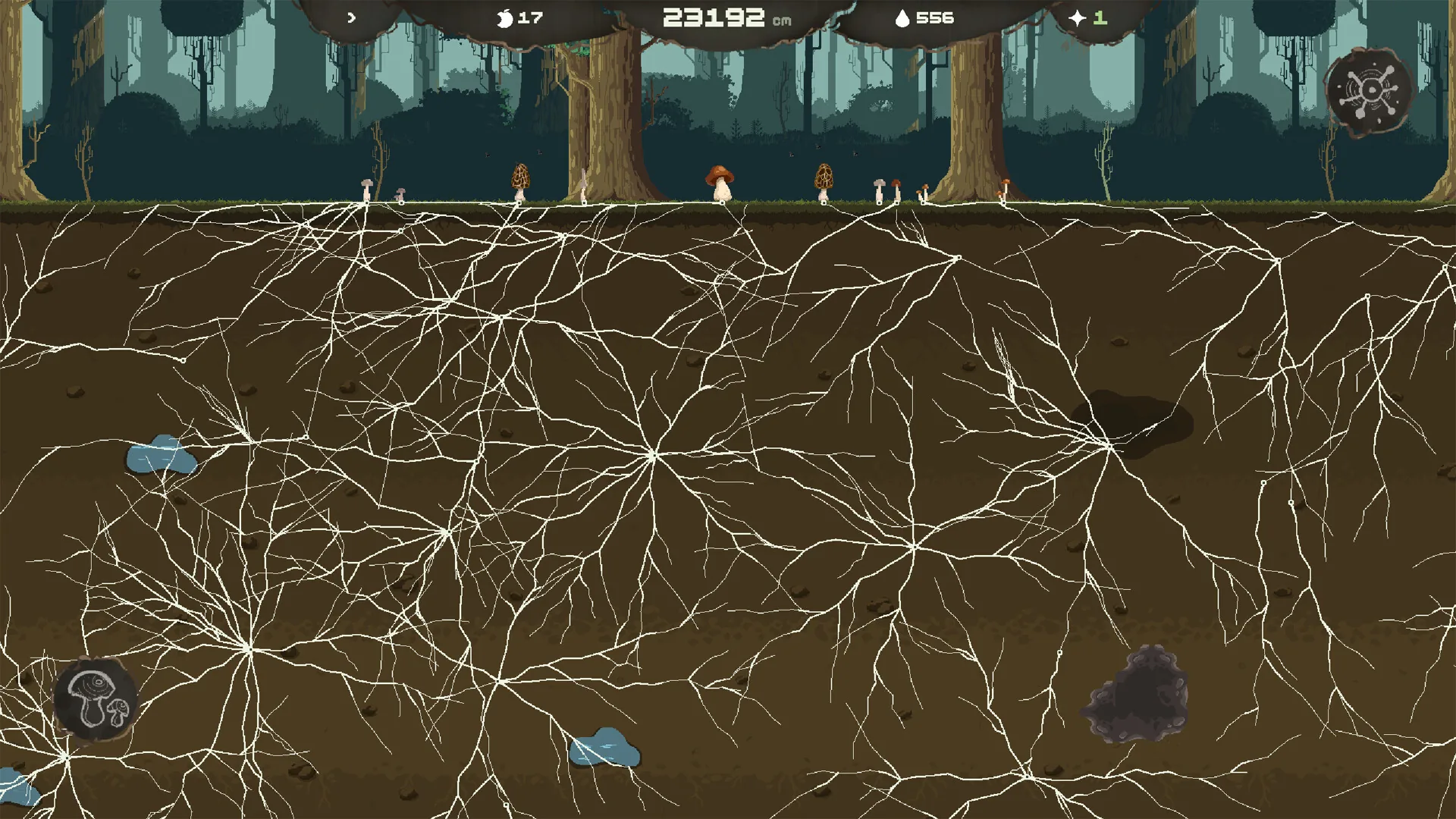
A mycelarium is, in practical terms, a mycelium-focused growing environment. Mycelium is the vegetative, thread-like network of a fungus. It colonizes its food source—called substrate—before producing mushrooms, which are the reproductive fruiting bodies. A mycelarium optimizes the conditions for that colonization and fruiting process: humidity, airflow, temperature, and light.
Unlike wild foraging, where you identify mushrooms in unpredictable outdoor settings, a mycelarium gives you a controlled starting point. You choose the species, the substrate, and the environmental controls. That makes identification easier, but it does not eliminate the need for careful observation.
Common Mushroom Types Grown in Mycelarium Setups
Several mushroom species are popular in controlled mycelium environments because they fruit reliably and tolerate a range of substrates. The following are among the most widely cultivated.
Oyster Mushrooms (Pleurotus species)
Oyster mushrooms are often recommended for beginners. They colonize quickly and fruit in clusters. You may see them labeled by color—blue, pink, golden, or pearl—though these are usually varieties within the same broader group rather than separate species.
- Substrate: Straw, hardwood sawdust, coffee grounds, and cardboard are common.
- Appearance: Fan-shaped or oyster-shell-shaped caps, off-center stems, and gills that run down the stem.
- Notes: They prefer good airflow and can fruit across a relatively wide temperature range, though cooler conditions often produce larger caps.
Shiitake (Lentinula edodes)
Shiitake mushrooms are a staple in both culinary and small-scale commercial growing. They have a dense, meaty texture and a strong earthy aroma.
- Substrate: Hardwood sawdust blocks or natural hardwood logs.
- Appearance: Tan to brown umbrella-shaped caps, often with scales; creamy gills; a central or off-center stem.
- Notes: Shiitake grown on sawdust blocks typically fruit faster than log-grown shiitake. Log methods take longer to establish but can produce for extended periods.
Button and Cremini (Agaricus bisporus)
These are the mushrooms most often found in grocery stores. Button mushrooms are harvested young and white; cremini, also called baby bellas, are harvested when the cap has browned; portobellos are the mature stage.
- Substrate: Composted manure-based substrate, often supplemented with other organic materials.
- Appearance: Smooth, rounded caps; pink gills that darken to brown as spores mature; short, thick stems.
- Notes: This species is more sensitive to contamination than oyster or shiitake, so it demands cleaner substrate handling and more consistent conditions.
Lion's Mane (Hericium erinaceus)
Lion's mane is distinctive and does not look like a typical cap-and-stem mushroom. Instead, it forms a white, shaggy mass of cascading spines.
- Substrate: Hardwood sawdust, often in supplemented bags.
- Appearance: No distinct cap or gills; a spherical or irregular white structure with long, downward teeth.
- Notes: It is prized for a texture often compared to seafood. Because it has no gills or pores, spore printing is not a useful identification tool for this species.
Reishi (Ganoderma species)
Reishi is generally grown for extracts, teas, and supplements rather than everyday cooking. The fruiting body is tough and woody.
- Substrate: Hardwood sawdust or logs.
- Appearance: Shelf-like or kidney-shaped conks with a glossy, varnished surface; reddish-brown coloration; white pore surface underneath.
- Notes: Reishi is not typically eaten like a culinary mushroom. It is usually dried, sliced, or powdered.
Choosing Mushroom Types for Your Mycelarium
Selecting species is not just about flavor. Substrate availability, climate control, and your tolerance for maintenance all matter.
Match the Substrate
Different fungi digest different materials. Oyster mushrooms are generalists and will accept agricultural waste. Shiitake and lion's mane are wood-lovers and need hardwood-based substrates. Button mushrooms require a composted, nutrient-dense medium that is more complex to prepare. If you have easy access to straw or coffee grounds, oysters are a logical first step. If you have access to hardwood sawdust, shiitake or lion's mane may be better choices.
Match the Climate
Mycelium can often tolerate a broader range of conditions than the fruiting stage. However, each species has a temperature window in which it reliably produces mushrooms.
- Oyster mushrooms generally fruit well in cooler conditions.
- Button mushrooms prefer a more moderate, stable range.
- Reishi often needs warmer temperatures and higher humidity to form conks.
If your space runs hot in summer or cold in winter, consider whether you can buffer those swings before committing to a species.
Consider Your Goal
Ask whether you want a quick harvest, a long-term production cycle, or a non-culinary product. Oyster mushrooms offer speed. Shiitake on logs offers longevity. Reishi offers a non-food use case. Button mushrooms offer familiarity but require more precise conditions.
Identifying Mushroom Types in a Mycelarium
Even in a controlled setup, identification matters. You want to confirm that what is fruiting is the species you inoculated and not a contaminant or volunteer fungus.
Cap, Stem, and Gills
Start with the visible structures. Note the cap shape, color, and texture. Check whether the stem is central or off-center. Look at the gills or pores underneath the cap: are they attached to the stem, running down it, or absent entirely? These traits separate most common cultivated species.
Spore Prints
For gilled mushrooms, a spore print can confirm identity. Place a mature cap, gills down, on white paper or foil. Leave it for several hours or overnight. The color of the deposited spores—white, cream, pink, brown, or black—helps narrow the species. Keep in mind that some species, like lion's mane, do not produce a useful spore print in this way.
Smell and Texture
A clean, pleasant earthy or mushroomy smell is normal. A sour, ammonia-like, or sharply chemical odor is a warning sign. Texture also helps: shiitake caps are firm and meaty, oyster caps are tender, and reishi is hard and woody.
Contamination and Safety Checks
A mycelarium is not immune to problems. Competing molds and bacteria can colonize substrate before or alongside your chosen fungus.
Common Contaminants
- Trichoderma: Often appears as dense green or white patches with a powdery texture. It can outcompete mushroom mycelium quickly.
- Bacterial blotch: Shows as sunken, slimy, or discolored spots on caps or stems.
- Cobweb mold: Looks like fine, grayish webbing spreading across the substrate surface.
What to Do
If you see contamination, isolate the affected container immediately. Do not attempt to eat mushrooms growing near visible mold. In most cases, it is safer to discard the contaminated block and sterilize the container before reuse. Prevention—clean substrate, sterile technique during inoculation, and proper airflow—is more effective than treatment.
A Note on Wild Mushrooms
The identification skills used in a mycelarium do not automatically transfer to wild foraging. Cultivated species are grown from known spawn in controlled conditions. Wild mushrooms require expert verification and should never be consumed based on visual similarity alone.
Setting Up a Basic Mycelarium Workflow
If you are starting from scratch, a simple workflow looks like this:
- Choose a species that matches your substrate and climate.
- Obtain spawn from a reputable supplier. Spawn is substrate that has already been fully colonized by mycelium.
- Prepare and pasteurize or sterilize your substrate to reduce competitor organisms.
- Inoculate by mixing spawn into the cooled substrate in clean conditions.
- Incubate in a dark or low-light space until the substrate is fully colonized.
- Trigger fruiting by introducing fresh air, indirect light, and maintained humidity.
- Harvest before caps fully open and spore release begins, then repeat the cycle if the block remains healthy.
Final Thoughts
A mycelarium gives you a structured way to grow mushrooms, but success still depends on matching the right species to the right conditions. Oyster mushrooms offer speed and flexibility, shiitake delivers flavor and longevity, lion's mane stands out for texture, and reishi serves non-culinary uses. Start with one species, master its cycle, and expand from there.
If you are unsure which mushroom type fits your space, describe your setup—substrate, room size, and climate—and you can narrow the options more precisely.