Mycelarium Food: What It Is, How It's Grown, and How to Eat It
If you have been searching for "Mycelarium food," you are probably trying to understand food that comes from cultivated mycelium — the thread-like vegetative.
If you have been searching for "Mycelarium food," you are probably trying to understand food that comes from cultivated mycelium — the thread-like vegetative network produced by fungi. This guide covers the real-world side of that topic: what a mycelarium is, what kinds of food come out of one, how the growing process works, and how to evaluate products and claims for yourself.
What Is a Mycelarium?
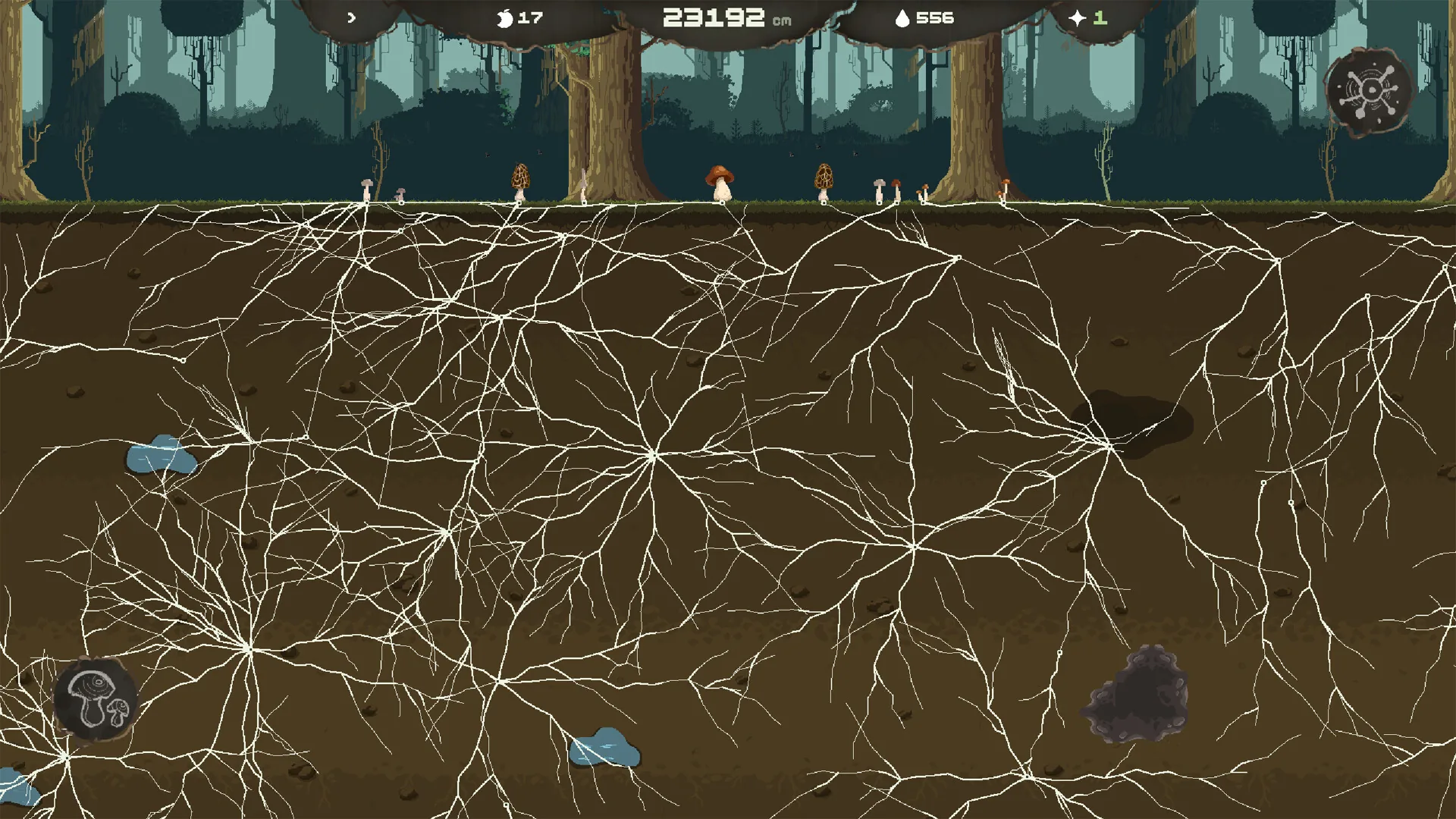
A mycelarium is a controlled environment for cultivating mycelium. The word comes from mycelium (the fungal network itself) plus the -arium ending used for places or collections, similar to "aquarium" or "planetarium." In practice, a mycelarium can be:
- A commercial production facility growing fungal biomass for food
- A laboratory maintaining fungal cultures
- A smaller-scale or home setup for growing edible mushrooms
It is worth noting that "mycelarium" is not a standardized regulatory or scientific term. You will more often see related labels such as mushroom farm, fungiery, or spawn laboratory. But the underlying idea is the same: a space where temperature, humidity, airflow, and cleanliness are managed so mycelium can colonize its growing material efficiently.
What Foods Come From a Mycelarium?
Mycelium-based food falls into three broad categories.
Mushrooms and Fruiting Bodies
The most familiar output. Cultivated species sold in grocery stores include:
- Button, cremini, and portobello — all the same species (Agaricus bisporus) harvested at different ages
- Oyster mushrooms (Pleurotus species)
- Shiitake (Lentinula edodes)
- Lion's mane (Hericium erinaceus)
- Enoki (Flammulina velutipes) and maitake (Grifola frondosa)
These are grown on materials like straw, hardwood sawdust, logs, and agricultural byproducts. In this case, the mycelium does the work of breaking down the substrate, and the mushroom is the harvestable fruiting body.
Mycoprotein (Mycelium Biomass)
Instead of waiting for mushrooms, producers can harvest the mycelium itself as a protein-rich biomass. The best-known commercial mycoprotein has historically been made from the filamentous fungus Fusarium venenatum, fermented in large tanks and then processed into mince, fillets, and pieces.
Newer companies have expanded this space with mycelium-based whole-cut products, where the naturally aligned fungal filaments create a meat-like texture. Product lines in this category change quickly, so treat any specific brand or item as something to verify against the company's current offerings.
Fermented Foods Made with Fungal Cultures
Some traditional foods rely on fungi without being "mycelium foods" in the strict sense:
- Tempeh — soybeans bound together by Rhizopus mold
- Koji — Aspergillus oryzae grown on rice, barley, or soybeans, used to make miso, soy sauce, and sake
These are fungal fermentations rather than mycelium biomass products, but they belong in the same broad conversation about food made with fungal cultivation.
How Mycelarium Food Is Produced
The general sequence looks like this:
- Substrate preparation. Clean agricultural materials — straw, sawdust, hulls, coffee grounds — are pasteurized or sterilized to reduce competing microbes.
- Inoculation. Mycelium culture, often grown first on grain (called spawn), is mixed into the cooled substrate under clean conditions.
- Incubation. The substrate sits in warm, humid, low-light conditions while mycelium spreads through it. Typical incubation temperatures for many cultivated species fall in the low-to-mid 70s Fahrenheit (roughly 21–27°C), though this varies by species.
- Fruiting or harvest. For mushrooms, temperature is lowered and fresh air and light are introduced to trigger fruiting; fruiting humidity is often kept high, commonly in the 80–95% range depending on species. For biomass production, the mycelium is harvested before or without fruiting.
- Processing. The harvest is sold fresh, dried, frozen, or texturized into meat-alternative products.
Mycelium vs. Mushroom: What's the Difference?
This distinction trips up a lot of readers, so it is worth stating plainly:
- Mycelium is the vegetative body of the fungus — a branching network of filaments (hyphae) that absorbs nutrients. Think of it as the roots and body combined.
- A mushroom is the reproductive fruiting body that some fungi produce to release spores. Think of it as the fruit.
Mycoprotein products are made from mycelium biomass, not mushrooms. Mushrooms you buy at the store are fruiting bodies. Both can be nutritious and edible, but they are different parts of the organism with somewhat different textures and nutritional profiles.
Nutrition Basics
Mycelium-based foods generally offer:
- Protein, with mycoprotein in particular providing a substantial amount and a relatively complete amino acid profile
- Dietary fiber, including chitin from fungal cell walls
- B vitamins and minerals, with levels varying by species and growing substrate
- Low saturated fat compared with many animal products
Exact nutritional values vary widely by product, so the nutrition panel on the package is the only reliable source for a specific item. People with mushroom or mold allergies should approach new fungal foods cautiously, since allergic reactions to fungi are uncommon but documented.
How Mycelium Foods Compare to Other Protein Sources
| Feature | Mycelium / mycoprotein | Plant-based meat | Cultivated meat | Conventional meat |
|---|---|---|---|---|
| Base material | Fungal biomass | Plant proteins | Animal cells | Animal tissue |
| Whole-cut texture | Naturally filamentous | Usually processed | Yes | Yes |
| Production method | Fermentation | Extrusion and processing | Cell culture | Animal raising and slaughter |
| Typical growth time | Days to weeks | Depends on crops | Weeks | Months to years |
| Availability | Growing, varies by country | Widely available | Limited approvals | Widely available |
Each approach has trade-offs in cost, scalability, and processing, and none is a universal replacement for the others.
Sustainability Considerations
Mycelium cultivation is often promoted as resource-efficient for a few structural reasons:
- It can grow on agricultural sidestreams that would otherwise be waste
- It can be produced vertically in a relatively small footprint
- It grows quickly, with some species capable of doubling biomass in hours under ideal conditions
- It does not require raising and slaughtering animals
That said, climate control, pasteurization, and downstream processing all consume energy, and sustainability claims vary by company and product. Independent life-cycle assessments are the best evidence to look for when comparing options.
Buying, Storing, and Cooking
- Fresh mushrooms: Refrigerate in a paper bag, not sealed plastic, and use within several days.
- Dried mushrooms: Store in an airtight container and rehydrate in warm water before cooking; the soaking liquid carries flavor.
- Mycoprotein products: Cook like ground meat, following package instructions. These products are generally meant to be cooked rather than eaten raw, both for digestibility and food safety.
Growing Mycelium Food at Home
Beginner-friendly mushroom growing kits — typically oyster or lion's mane — are widely available and involve little more than keeping the block humid and misted. Key points:
- Maintain high humidity and indirect light; provide fresh air once fruiting begins.
- Only cultivate species from reputable suppliers that are known to be edible.
- Never eat wild fungi you cannot positively identify, and discard any kit block showing unexpected mold colors or contamination.
How to Verify Current Products and Claims
Because this sector moves quickly, treat specific details as things to check rather than fixed facts:
- Product labels tell you the current formulation, including binders, allergens, and whether an item is vegan (some mycoprotein products have historically used egg white as a binder, so not every item qualifies).
- Company websites list current product lines, which change more often than general articles do.
- Regulatory databases in your country indicate whether a specific ingredient has novel-food or similar approval.
- Peer-reviewed research is the strongest source for nutrition and sustainability claims.
Frequently Asked Questions
Is mycelium food safe to eat? Foods made from well-characterized, cultivated edible species are generally regarded as safe, especially when cooked. The main cautions are fungal allergies and, for wild foraging, misidentification.
Is mycoprotein vegan? The fungal biomass itself is not an animal product, but commercial products sometimes include egg or dairy-derived binders. Check the label of the specific item.
Can I eat mycelium raw? It is best cooked. Cooking improves digestibility and reduces the risk from any surface contamination.
Is mycelium the same as a mushroom? No. Mycelium is the fungal network; a mushroom is the fruiting body that some fungi produce for reproduction.
If you are evaluating a specific product or deciding whether home growing is worth trying, the practical next step is to check current labels and supplier information for the exact items you are considering — and feel free to ask if you want help thinking through a particular comparison.