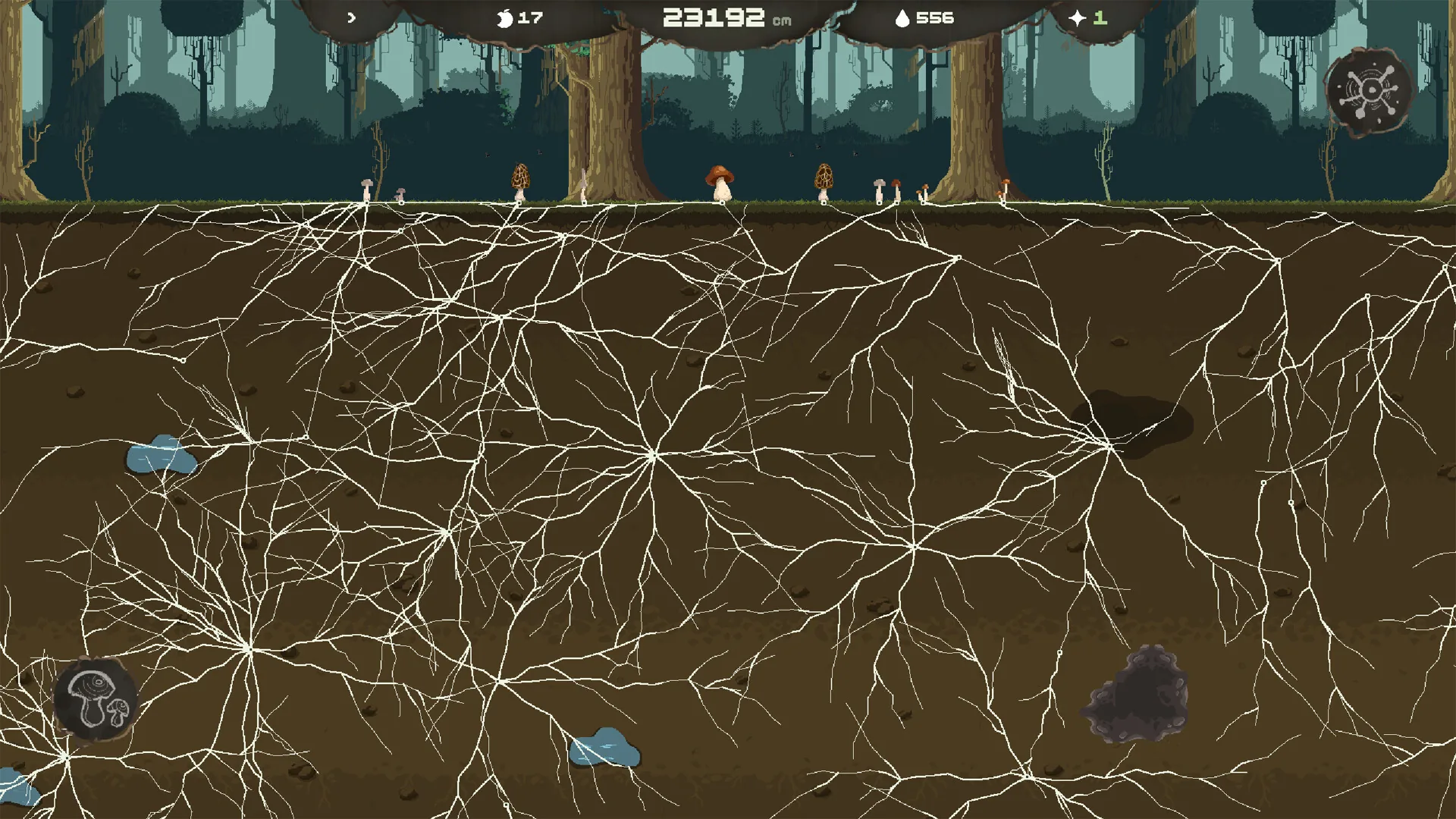
How to Parasitize Trees in Mycelarium: A Practical Guide
If you landed here searching for how to parasitize trees in Mycelarium, you are probably at the point where the forest around you has stopped being scenery and.
If you landed here searching for how to parasitize trees in Mycelarium, you are probably at the point where the forest around you has stopped being scenery and started looking like food. Colonizing a tree is one of the most useful things a growing fungal network can do: it converts a static object on the map into a resource tap that feeds everything else you build.
One important note before you begin. Fungal growth games change quickly between updates, and Mycelarium is no exception to that pattern. The workflow below describes the logic that tree-parasitism usually follows in this genre and the decisions that matter most, but exact costs, timers, and thresholds should be treated as unverified for whichever version you are playing. The final section explains how to confirm the specifics for your build in a few minutes.
What Parasitizing a Tree Actually Involves
In mycelium-themed games, "parasitizing" a tree generally means growing your network into a living host and drawing nutrients, water, or energy out of it. The loop almost always looks like this:
- Extend your mycelium toward the host.
- Breach the tree's defenses at an entry point, usually the root zone or the root collar.
- Hold the connection long enough for the transfer to become self-sustaining.
- Manage the consequences, which can include the host dying, neighboring trees becoming vulnerable, or the area reacting to what you have done.
Most games in this space also offer a strategic choice once a tree is infected. You can push for a fast, destructive drain that kills the host and yields a large one-time payout, or you can settle into a slower, ongoing draw that keeps the host alive as a permanent supply line. Which option the current version of Mycelarium rewards is worth confirming early, because it changes how you should space out your infections.
Before You Infect Anything: Preparation
Tree parasitism usually punishes players who rush it. A few minutes of setup saves a lot of wasted growth.
- Get close, but not inside. Expand your network to the edge of the target tree rather than trying to reach the trunk in one push. A staged approach is easier to defend and easier to abandon if something goes wrong.
- Keep a resource buffer. Infection attempts often require a sustained investment rather than a one-time cost. If your network is running on empty when you start, the attempt can stall halfway and leave you with a half-dead runner and nothing to show for it.
- Check the environment. Moisture, temperature, soil quality, or equivalent conditions frequently affect how fast fungal growth progresses in these games. If the game surfaces any of these values, read them before committing.
- Save before your first attempt. Until you know how the current version handles failed infections, a manual save is your cheapest insurance policy.
Step-by-Step: Infecting Your First Tree
1. Scout and select a host
Not every tree is a good first target. Look for one that is isolated from other infectable trees, sits at a reasonable distance from your existing network, and ideally shows some sign of being weakened, damaged, or already stressed. In most fungal growth games, a compromised host goes down faster and resists less.
2. Extend a runner toward the root zone
Grow a dedicated tendril from your main network toward the tree. Keep the path as short and as thick as your resources allow. Long, thin runners are the most common reason an infection stalls: the upkeep cost of the connection outpaces what the early-stage infection returns.
3. Establish the infection point
Aim for the root collar, the area where the trunk meets the soil, or any visible wound, crack, or damaged section of the tree. Breaching bark directly is usually slower and less efficient than entering through the roots or an existing opening. This is the step where the game will tell you, through resistance, failure messages, or resource drain, whether your network is strong enough.
4. Hold the connection
Once the infection takes, the tree will typically resist for a while before the transfer becomes stable. During this window, keep feeding the connection. If your overall network is under pressure from elsewhere, this is where the infection collapses. Resist the urge to start a second tree until the first one is clearly producing.
5. Decide what to do with the host
After the tree is fully colonized, you usually choose between harvesting it outright and maintaining it as an ongoing source. If the game rewards keeping hosts alive, a network of steadily drained trees often outperforms a series of one-time kills. If it rewards destruction, harvest and move on quickly before the dead host becomes a liability.
Choosing the Right Host: What to Compare
Host selection is where most of the efficiency difference lives. Compare candidates on these axes:
| Factor | Usually better | Usually riskier |
|---|---|---|
| Position | Isolated, at your network's edge | Clustered near other trees you aren't ready for |
| Age / size | Matches your current network capacity | Far larger than what you can sustain |
| Health | Already weakened or damaged | Pristine and vigorously healthy |
| Distance | Short, direct path from your network | Long path requiring thin runners |
The trade-off is straightforward: weak, isolated trees are fast and safe but yield less. Large, healthy trees are valuable but demand a network that can support a long, expensive infection. Early on, take the easy trees and bank the resources for the big ones later.
Troubleshooting Common Problems
The infection won't take. The most common causes are an underdeveloped network, a runner that is too thin or too long, or environmental conditions working against you. Thicken the path, shorten it, or wait for better conditions rather than spamming attempts.
The tree fights back or dies too early. If the host collapses before you've extracted much, you likely pushed for a fast drain without the capacity to control it. Try a slower approach, or pick a weaker host first.
Your network overextends. Starting multiple infections at once is the classic mistake. Each active infection is a ongoing commitment. Prune what you can't sustain and stabilize one host before opening another.
The infection spreads somewhere you didn't want it. If colonized trees can infect their neighbors, plan your expansion direction deliberately. Leave a buffer of uncolonized space between your targets and anything you want to preserve.
How to Verify the Details for Your Version
Because specific mechanics shift between updates, treat the numbers in any guide, including this one, as provisional until you've confirmed them. Here are the fastest ways to do that:
- Check the in-game tutorial or codex. Many fungal growth games document the infection loop directly, including resource costs and host states.
- Read the official wiki and recent patch notes. Patch notes are especially useful because tree parasitism mechanics are a common target for balance changes.
- Ask the community. Official Discord servers, subreddits, and forums usually have current-version answers within a day or two of any update.
- Run a controlled experiment. In a sandbox mode or a dedicated save file, infect one tree under known conditions and watch what happens to your resources, the host, and the surrounding area. Ten minutes of firsthand testing beats an outdated guide every time.
Real-World Background: How Parasitic Fungi Actually Take a Tree
For context, and purely as biology rather than game mechanics, real parasitic fungi use a similar playbook. Species such as honey fungus (Armillaria) extend root-like rhizomorphs through the soil, locate a host, and breach it through wounds, the root collar, or direct root contact. Once inside, they can colonize the tree's vascular tissue and interfere with water and nutrient transport.
Trees are not passive in this exchange. They compartmentalize infected tissue, wall off damaged areas, and in some cases produce compounds that slow fungal advance. A healthy, unstressed tree is genuinely harder to infect than a damaged one, which is exactly why the "target the weakened host" advice above shows up in game after game. The designers are borrowing from real ecology, even when the numbers are invented.
Quick Reference Checklist
- Expand to the tree's edge before attempting infection.
- Maintain a resource buffer; infections are sustained investments, not one-time costs.
- Target isolated, weakened hosts first.
- Enter through the root zone or existing damage, not healthy bark.
- Stabilize one infection before starting another.
- Save before experimenting, and confirm current-version specifics through the game's own documentation and community.
Parasitizing trees efficiently is less about a single trick and more about pacing: scout, commit, hold, and only then expand. Get that rhythm right and the forest stops being an obstacle course and starts being infrastructure.
If you'd like, tell me which part of the loop is giving you trouble, whether it's the initial breach, sustaining multiple hosts, or deciding when to harvest, and I can go deeper on that specific stage.